


From the Frontier
of Scholarship
to the Classroom
—
An Encyclopedia of American Political Thought & Practice


America Guided by Wisdom

A documented history of American political thought & practice.


Antebellum Era
1817-1849
Chapter 9
Good Feelings
1817-1829
From the aftermath of the War of 1812 to the end of John Quincy Adams’s presidency, this chapter explores an era of national spirit, economic development, and an emerging sectional conflict. The Monroe Doctrine asserts American interests in the Western Hemisphere. The Missouri Compromise exposes deep divisions over slavery and westward expansion. The Erie Canal accelerates commerce and connects the Atlantic coast to the interior. Meanwhile, disputes over the Tariff of Abominations intensify tensions between North and South and fuel debates over federal authority.
Key Documents, Events, and People


Chapter 10
Common Man
1829-1841
From Andrew Jackson to Martin Van Buren’s presidency, this chapter explores growing tensions over federal authority and westward expansion. Jackson’s war on the national bank limited federal financing while the Nullification Crisis tested how the Union reacts to state resistance. Indian removal led to the forced displacement of thousands of Native Americans. Nat Turner’s rebellion deepened Southern fears of slave revolts and prompts harsher restrictions on slaves. The Panic of 1837 triggers a severe economic depression, challenging Van Buren’s administration and exposing the instability Jacksonian "pet-banks."
Key Documents, Events, and People


Chapter 11
Manifest Destiny
1841-1849
From the brief presidency of William H. Harrison to the end of James K. Polk’s administration, this chapter includes a constitutional crisis over presidential succession and the Mexican-American War. Disputes over the national bank, tariffs, and executive power divide the Whig and Democratic parties, while the annexation of Texas intensifies tensions over slavery. The Mexican-American War brings vast new territories under American control, reigniting the national debate over slavery’s expansion and deepening the divisions between North and South.
Key Documents, Events, and People


Founding Era
1784-1817
Chapter 6
More Perfect Union
1784-1789
From peace with Britain to the inauguration of George Washington as president, this chapter explores the creation and ratification of the United States Constitution. Economic depression, interstate disputes, foreign threats, and domestic unrest expose the weaknesses of the Articles of Confederation. Delegates gather in Philadelphia to draft a new framework of government for the fledgling republic. The proposed Constitution sparks a fierce public debate, as supporters and opponents dispute the proper balance of national and state power.
Key Documents, Events, and People


Chapter 7
Federalist Regime
1789-1801
From the inauguration of George Washington to the end of John Adams’s presidency, this chapter explores the formative years of the new federal government. The French Revolution and the ensuing European wars challenge American neutrality while the Whiskey Rebellion tests the government's ability to enforce federal law. As Federalists and Republicans clash over the Constitution's meaning, the peaceful transfer of power in the election of 1800 tests the stability of the American political system.
Key Documents, Events, and People


Chapter 8
Republican Liberty
1801-1817
From Thomas Jefferson’s election in 1800 to the end of the War of 1812, this chapter explores an era of territorial expansion, commercial conflict, and national consolidation. The Louisiana Purchase doubles the nation’s territory, while conflicts with the Barbary States challenge American interests overseas. British interference with American shipping, impressment of sailors, and disputes over neutral trade lead to the War of 1812. As the young republic confronts the military power of Britain and struggles to defend its sovereignty, the war’s conclusion strengthens American national identity and sets the stage for further westward expansion.
Key Documents, Events, and People


Revolutionary Era
1763-1784
Chapter 4
Join or Die
1763-1775
From Grenville’s ministry to the Olive Branch Petition, this chapter explores the escalating imperial crisis between Britain and its American colonies. Parliament imposes new tariffs, restricts colonial trade, abolishes colonial currency, expands the quartering of British troops, and curtails the rights of defendants in trials. Colonial representatives and merchants, respond with protests, boycotts, and petitions seeking the repeal of these measures, only to face further punitive acts. Disputes over taxation, representation, and constitutional authority erode relations between Britain and the colonies leading to open rebellion.
Key Documents, Events, and People



Chapter 5
Independence
1775-1784
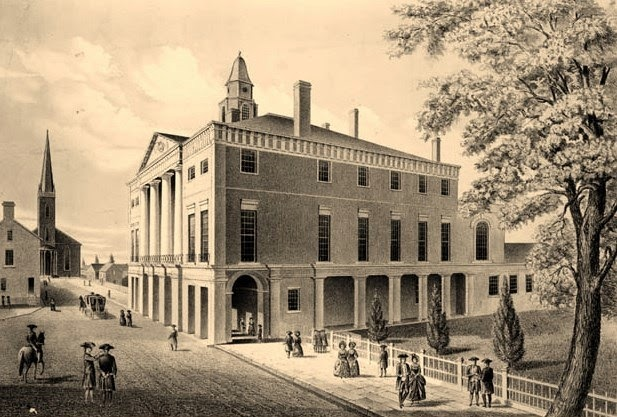
From George III’s Proclamation for Suppressing Rebellion to the ratification of the Treaty of Paris, this chapter explores the American War for Independence. Despite early British victories, the American triumph at Saratoga persuades France to enter the war, followed by Spain and the Netherlands, transforming the conflict into a global struggle against the British Empire. Meanwhile, the Continental Congress and the states confront the challenges of wartime governance and establish the Articles of Confederation for the new republic. The battle of Yorktown draws the war to a close and the British recognize American independence.
Key Documents, Events, and People


Colonial Era
1492-1763
Chapter 1
La Conquista
1492-1603
From the voyages of Christopher Columbus to the death of Queen Elizabeth I, this chapter explores an era of exploration, conquest, and religious upheaval that transformed the Atlantic world. Spain conquers major Native societies in Central and South America and introduce the African slave trade to the New World. Meanwhile, the Protestant Reformation divides Christendom, religious wars ravage Europe, and privateers prey on Spanish treasure fleets. As Spain builds a vast colonial empire, England and France challenge its supremacy and begin their own attempts to establish colonies in the Americas.
Key Documents, Events, and People


Chapter 2
Nova Britannia
1603-1675
From the founding of Jamestown to the eve of King Philip’s War, this chapter explores the expansion of European colonies in North America and the struggles that shaped their early development. English colonies grow rapidly in population and number, due to the Great Migration and the English Civil War. France explores much of the Great Lakes and interior. Spain, England, France, and the Netherlands compete for Atlantic dominance all the while colonial rebellions, religious disputes, and Indigenous resistance challenge imperial authority.
Key Documents, Events, and People


Chapter 3
Intercolonial Wars
1675-1763
From King Philip’s War to the Treaty of Paris, this chapter explores an era of intercolonial warfare across the Atlantic world. England, Spain, France, and the Netherlands wage successive wars for control of America. The Golden Age of Piracy threatens the flow of American riches. Meanwhile, colonial rebellions challenge imperial rule, and dynastic struggles and political revolutions shake Europe. The Treaty of Paris in 1763 establishes British hegemony in North America, but that dominance proves short-lived as tensions between Britain and its colonies set the stage for revolution.
Key Documents, Events, and People


A primary site for primary sources, comprising thousands of historical documents.
The Curriculum is our online courses covering American political history.
FYI all of the courses are still under development.


History gives context to civics and civics gives purpose to history.
President Obama's Final Rally in Iowa | Nov. 5, 2012
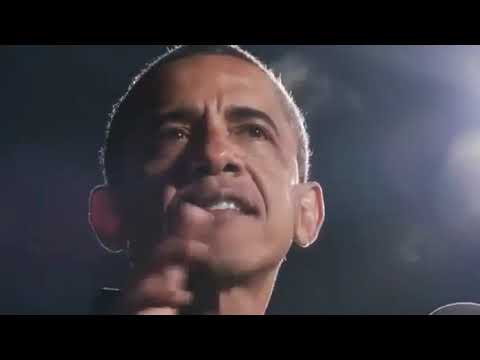
President Obama's Final Rally in Iowa | Nov. 5, 2012

Obama Addresses the Nation about the Volcker Rule for Financial Institutions | January 21, 2010

MLK Jr.'s Nobel Prize Speech | Dec. 10, 1964

George H. W. Bush's "Chicken-Kiev" Speech | Aug 1st, 1991
Celebrate 250 Years of American History! Become a Friend to the Charity!
The "Friend" Tier includes those generous donors contributing up to $100. The next couple of Tiers are Sponsors and Patrons which you can view a separate Donor page.
Your tax-deductible gift to Amending America ltd. will directly support our mission: "enriching civic and historical literacy." Your generosity advances our efforts in historical preservation & education along with civic engagement, ensuring our impact across the nation and throughout future generations.
$1,775 raised
21 donations
65 days left!
Frequency
One time
Weekly
Monthly
Yearly
Amount
$5
$10
$20
$50
$100
Other
0/100
Leave a Message